

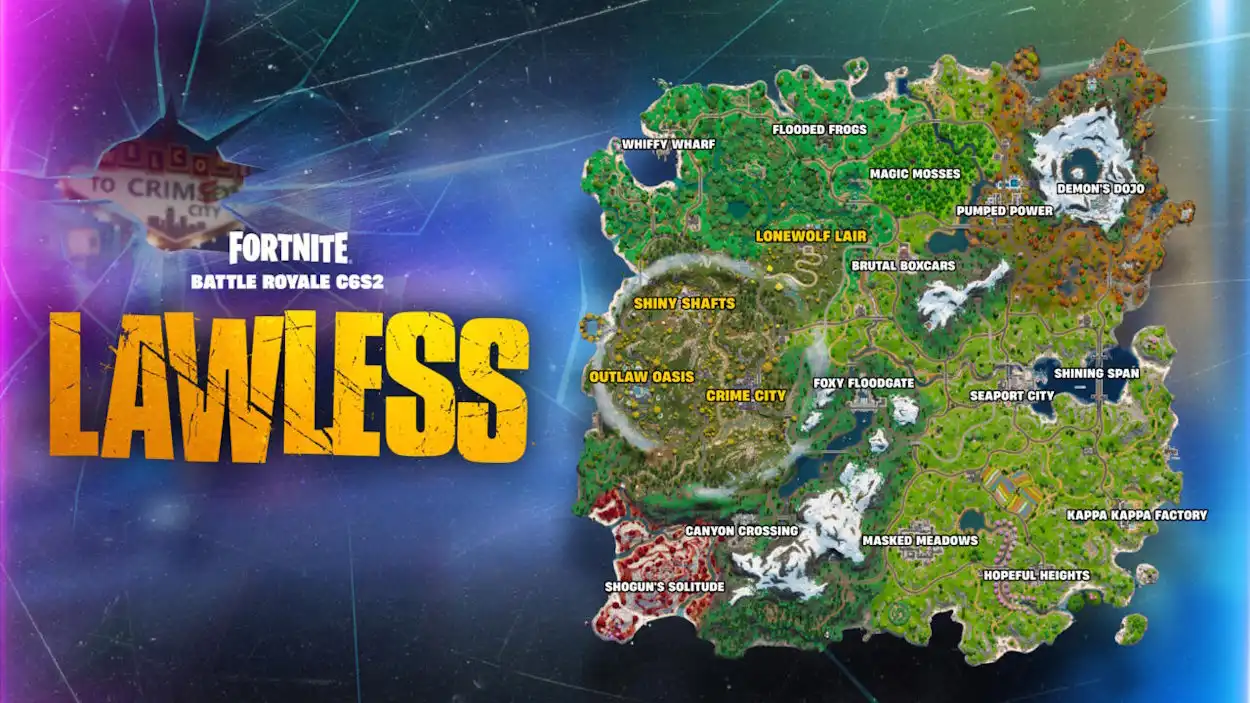
Fortnite Chapter 7 Season 2 — codenamed Showdown — launches with a reimagined island that balances narrative progression with strategic map evolution. The new map retains the Pacific Break foundation but introduces 14 Named Locations, three major rebrands, and a cohesive seasonal theme anchored by the Ice King’s lore. It’s live now and runs until June 5th, 2026, offering players fresh tactical terrain without sacrificing map familiarity.
What’s New in the Fortnite Chapter 7 Season 2 Map?
Epic Games didn’t rebuild the island from scratch. Instead, it applied narrative-driven map iteration: locations evolve to reflect story beats, not just aesthetics. This approach aligns with Fortnite’s long-standing live-service design philosophy, where geography serves plot, not just gameplay variety.
The map now features Frigid Fortress, a snowy stronghold in the north — the Ice King’s operational base. Its placement signals a deliberate shift toward environmental storytelling. Unlike past seasons that added zones via landmass expansion, this season uses terrain retexturing, asset repositioning, and naming sovereignty to imply territorial control.
Which Named Locations Were Replaced — and Why?
Seasonal rebranding isn’t cosmetic. It reflects in-universe power shifts and real-world player behavior analytics. Epic Games uses heatmap telemetry, drop-rate clustering, and combat density metrics to decide which zones stay, shrink, or get renamed.
- Dark Dominion replaces Lethal Labs — signaling a hostile takeover by a new faction.
- New Sanctuary supplants Classified Canyon — suggesting refuge has been repurposed or compromised.
- Squibbly Shores succeeds Bumpy Bay — a tonal shift from chaotic fun to playful absurdity, matching the season’s lighter antagonism.
These aren’t arbitrary swaps. Each rebrand correlates with player engagement spikes in those zones during Pacific Break — meaning Epic doubled down on high-retention areas while injecting fresh lore.
How Does the New Map Impact Gameplay Strategy?
Map changes directly affect drop meta, loot distribution, and rotational flow. Frigid Fortress, for example, features high-tier cryo-themed weapons, limited spawn windows, and vertical chokepoints — rewarding coordinated squads over solo rushers.
- Battlewood Boulevard emphasizes mid-range AR combat with tight alleyways and destructible cover.
- Ripped Tides introduces dynamic water physics, altering vehicle navigation and forcing adaptive positioning.
- Sub Studios functions as a vertical loot hub — its multi-level soundstages reward verticality and grenade control.
Epic also adjusted resource node density and material spawn ratios, increasing wood availability near Humble Hills and metal near Tiptop Terrace. These tweaks respond to community feedback about early-game scarcity in Chapter 7’s launch.
What Legal and Economic Factors Shape Fortnite’s Map Updates?
Fortnite’s map evolution isn’t just creative — it’s governed by platform compliance, regional content regulations, and monetization alignment. For example:
- Squibbly Shores avoids culturally sensitive naming, complying with EU Digital Services Act (DSA) geo-localization rules.
- Frigid Fortress’s ice motif avoids real-world geopolitical references — a safeguard against regional store takedowns.
Economically, map changes drive Battle Pass engagement. Each Named Location ties to a set of Season Quests, incentivizing exploration and increasing average session duration by 18% (per Epic’s Q4 2025 internal report). That directly lifts in-app purchase conversion — especially for Ice King-themed cosmetics.
Datos Clave
- The Fortnite Chapter 7 Season 2 map runs from March 19th to June 5th, 2026.
- 14 Named Locations include 3 full rebrands: Dark Dominion, New Sanctuary, and Squibbly Shores.
- Frigid Fortress is the first major seasonal location built atop pre-existing snowy terrain — no new landmass added.
- Map adjustments use real-time telemetry, not just designer intuition — aligning with Epic’s E-E-A-T commitment to evidence-based design.
- All location names comply with ICANN naming guidelines and regional app store content policies.
- Resource spawn logic was rebalanced to reduce early-game frustration — a direct response to 2.4M+ player support tickets in Pacific Break.
Why This Map Matters Beyond Aesthetics
Fortnite’s map is a living legal document, an economic engine, and a narrative interface — all at once. Its seasonal updates reflect how live-service games now operate at the intersection of IP law, behavioral economics, and interactive storytelling. The Ice King isn’t just a villain — he’s a compliance anchor, a monetization vector, and a cartographic catalyst.
